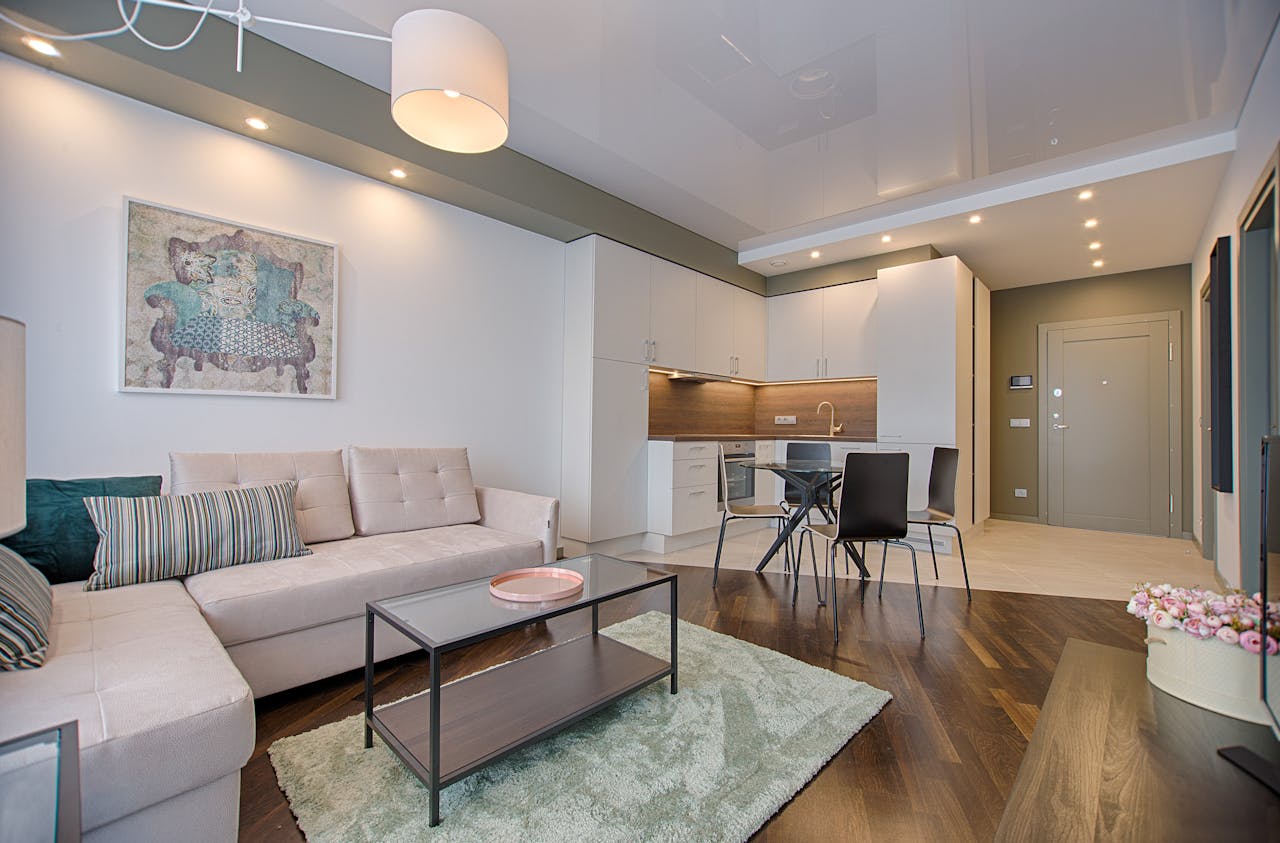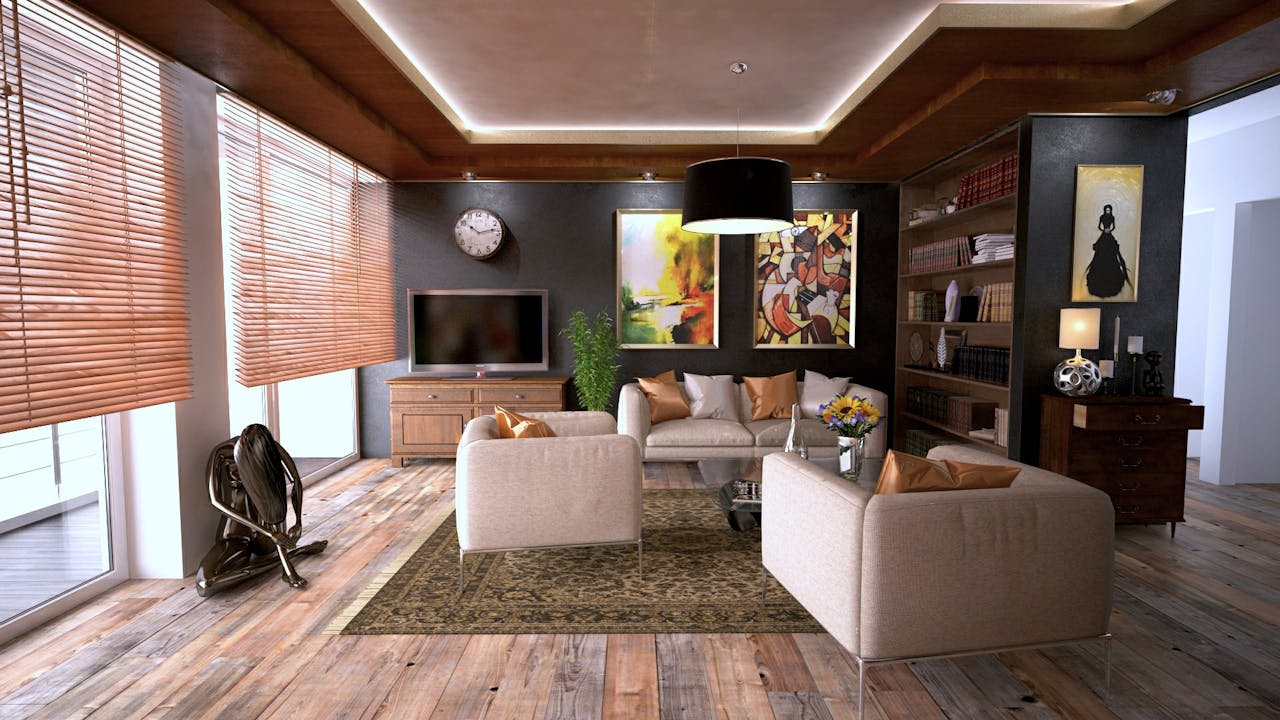

Did you know that flooring can change how a room feels? It can make a room feel bigger, cozier, or more luxurious. Choosing the right flooring is key in home interior design. It sets the mood for the whole space.
Finding the perfect flooring can be tough, with so many choices. You might consider hardwood, tile, carpet, or laminate. Each has its own good points and downsides. In this article, we’ll share our best tips for picking the perfect flooring for your home’s interior design.
Key Takeaways
- Understand the importance of flooring in home interior design
- Explore various flooring options and their benefits
- Learn how to choose the right flooring for your space
- Discover the latest trends in flooring
- Get tips on maintaining your flooring
Understanding Different Flooring Options
Choosing the right flooring for your home is key. The right choice can make your space look and feel better. The wrong choice can lead to problems and extra costs later.
Let’s look at the good and bad of popular flooring types: hardwood, laminate, vinyl, and tile.
Hardwood Flooring
Hardwood flooring is loved for its beauty and lasting quality. It brings warmth and style to any room. But, it can be pricey and needs regular care to stay nice.
Advantages: Durable, looks great, can boost your home’s value.
Disadvantages: Expensive, can get damaged by water, needs upkeep.
Laminate Flooring
Laminate flooring is a cheaper option that looks like hardwood. It’s made from synthetic materials and is easy to put down.
Advantages: Affordable, simple to install, stands up to scratches.
Disadvantages: Not as tough as hardwood, might not look as real.
Vinyl Flooring
Vinyl flooring is versatile and practical. It’s waterproof and soft, making it great for kitchens and bathrooms.
Advantages: Waterproof, comfy, easy to keep clean.
Disadvantages: Can look cheap, not as durable as others.
Tile Flooring
Tile flooring is tough and water-resistant, perfect for busy areas and bathrooms. It comes in many materials like ceramic, porcelain, and stone.
Advantages: Very durable, water-resistant, lots of design choices.
| Flooring Type | Durability | Maintenance | Cost |
|---|---|---|---|
| Hardwood | High | Periodic | High |
| Laminate | Medium | Low | Low |
| Vinyl | Medium | Low | Medium |
| Tile | High | Periodic (grout) | Medium to High |
For more info on flooring, check out Home Depot’s guide. It offers detailed insights into different flooring materials and their uses.
Factors to Consider When Choosing Flooring
Choosing the right flooring for your home involves several important factors. You need to think about how it looks, works, and lasts. These elements affect your home’s beauty and its everyday use.
Budget Constraints
Your budget is a big factor in picking flooring. Different materials cost a lot or a little. For example, hardwood is pricey but lasts a long time with care. Laminate is cheaper but might need to be replaced sooner.
| Flooring Material | Average Cost per Square Foot | Lifespan |
|---|---|---|
| Hardwood | $5-$10 | 20-30 years |
| Laminate | $0.50-$2 | 10-15 years |
| Tile | $2-$5 | 15-20 years |
The table shows how different flooring costs and lasts vary. Think about both the upfront cost and long-term value when choosing.
Maintenance Requirements
How easy a floor is to keep up is also key. Hardwood needs regular polishing, while tile is easier but might need grout cleaning. Knowing what maintenance your floor needs helps you choose wisely.
“The key to maintaining beautiful flooring is not just in the initial installation but in the ongoing care and attention it receives over the years.”
Climate Impact
Your area’s climate affects your flooring choice. In humid places, some floors might get damaged or need extra care. In dry areas, floors might need more moisture to avoid cracking.
By thinking about budget, upkeep, and climate, you can pick flooring that’s beautiful, practical, and eco-friendly.
Popular Flooring Styles for Modern Interiors
Flooring is key in interior design, making your home look its best. The latest trends show that the right flooring can change a house into a home. Let’s look at the top flooring styles for modern homes.
Contemporary Aesthetics
Contemporary flooring is all about sleek looks and function. Dark hardwood floors add sophistication to any room. Engineered wood flooring is also popular for its durability and flexibility.
Rustic Charm
Rustic flooring brings warmth and coziness. Distressed wood and natural stone are great choices. They add unique textures and character to your home.
Minimalist Designs
Minimalist flooring is simple and clean. Light-colored floors, like whitewashed wood, make rooms look bigger. It’s perfect for modern homes that love simplicity.
| Flooring Style | Characteristics | Ideal For |
|---|---|---|
| Contemporary | Sleek, minimal, durable | Modern homes, busy areas |
| Rustic | Distressed, natural, warm | Cabin-style homes, cozy rooms |
| Minimalist | Simple, light-colored, spacious | Small rooms, modern decor |
Enhancing Small Spaces with Flooring Choices
Choosing the right flooring for small spaces is more than just looks. It’s about making the space feel bigger. The right flooring can make a big difference in how our homes feel.
Light-Colored Flooring
Using light-colored flooring is a smart way to make small spaces look bigger. Light colors reflect light, making rooms feel more open. This trick works best in areas with little natural light, as it brightens the space.
Some top picks for light-colored flooring include:
- Whitewashed hardwood
- Pale laminate flooring
- Light-gray porcelain tiles
Diagonal Patterns
Floors in a diagonal pattern can also make spaces look bigger. This design draws the eye outward, making rooms seem larger. Diagonal patterns work well with hardwood and laminate floors.
Open Layouts
An open layout can make spaces feel even bigger when paired with the right flooring. By reducing separate rooms and using the same flooring everywhere, we create a sense of flow. This design not only makes spaces look larger but also enhances their beauty.
To get an open layout, try these tips:
- Use fewer divisional walls
- Match flooring with your design
- Use area rugs to define spaces
By using these flooring strategies, we can make small spaces feel bigger and more inviting.
Eco-Friendly Flooring Solutions
More people are choosing eco-friendly flooring as they become aware of environmental issues. The type of flooring we pick is key to making our homes greener.
Bamboo Flooring
Bamboo flooring is a top choice for those who care about the planet. Bamboo is durable and resists moisture well, making it perfect for many rooms. It’s also simple to install and keep up.
Bamboo grows fast, unlike traditional hardwoods that take years to mature. This quick growth makes bamboo a great choice for those wanting to lessen their environmental impact.
Reclaimed Wood
Reclaimed wood flooring is becoming more popular. It’s made from old buildings, barns, and other structures, offering a unique look and history. Using reclaimed wood reduces waste and keeps the original material’s charm.
Reclaimed wood adds warmth and character to homes. Each piece has its own story, and its natural aging gives it a special look that new wood can’t match.
Natural Fiber Carpets
Natural fiber carpets come from materials like sisal, jute, and seagrass. These are biodegradable and better for the environment than synthetic fibers. They’re also durable and have unique textures.
Natural fiber carpets warm and comfort our homes. They come in many styles and can be stained or dyed to fit any decor. They’re also good for indoor air quality, holding fewer allergens than synthetic carpets.
Choosing bamboo, reclaimed wood, and natural fiber carpets makes our homes more sustainable. These options not only help the environment but also add beauty and character to our spaces.
The Importance of Flooring in Home Design
A well-chosen flooring can make a big difference in a home’s feel. It’s key in home design, blending looks, function, and eco-friendliness.
Flooring does more than cover the floor. It connects different parts of home decor. It sets the mood of a room, shaping how we see and use the space.
Establishing a Tone
The flooring you pick greatly affects a room’s feel. Hardwood adds warmth and class, while laminate is stylish and easy on the wallet.
“The right flooring can transform a house into a home, making it feel more welcoming and personalized.”
Creating Consistency
Using the same flooring throughout makes a home feel connected. It’s about matching your decor style. For example, the same flooring in every room makes moving between them smooth.

| Flooring Type | Aesthetic Appeal | Durability |
|---|---|---|
| Hardwood | High | High |
| Laminate | Medium | Medium |
| Vinyl | Medium | High |
Enhancing Functionality
Flooring impacts a home’s look, feel, and use. Each type has its own comfort, upkeep, and best use in the home.
Tile is tough and good with water, perfect for kitchens and baths. Carpet warms up bedrooms, making them cozy.
Choosing the right flooring boosts our homes’ comfort and usefulness. It makes daily life better.
Flooring Layouts and Patterns to Explore
The layout and pattern of our flooring can greatly change how our home looks. There are many styles to pick from, helping us make our living spaces unique and welcoming.
Herringbone Patterns
The herringbone pattern is a classic choice that brings elegance to any room. It involves laying flooring planks in a zigzag pattern. This makes the space feel more lively.
To get a herringbone pattern right, keep these tips in mind:
- Pick flooring that matches the pattern, like hardwood or engineered wood.
- Make sure the subfloor is even and ready for the flooring.
- Use the right adhesive and follow a detailed installation method.
Checkerboard Designs
Checkerboard designs are a timeless and eye-catching choice for flooring. They involve alternating between two colors or materials to form a grid.
For a checkerboard design, remember these tips:
- Choose materials that stand out against each other for a better look.
- Plan the layout to keep the pattern balanced and symmetrical.
- Stick to a consistent grid to keep the checkerboard look.
Plank Configurations
Plank configurations are flexible and can match many interior styles. By changing the plank size, we can create a unique look for our home.
To make an interesting plank configuration, check out this table. It shows how different plank sizes affect the room’s look:
| Plank Size | Room Size | Aesthetic Effect |
|---|---|---|
| Narrow Planks | Small Rooms | Makes the room appear larger |
| Wide Planks | Large Rooms | Creates a cozy, intimate atmosphere |
| Mixed Lengths | Various Room Sizes | Adds visual interest and character |
By exploring these flooring layouts and patterns, we can find the perfect design to enhance our home’s style and functionality.
Flooring Installation Tips for DIY Enthusiasts
Starting a DIY flooring project can seem scary, but it can also be very rewarding. We’ll cover the basics of getting ready and doing the installation. This will help you feel more confident about your project.
Preparation Essentials
Before you start, make sure your workspace and materials are ready. Move furniture out of the way, check that the subfloor is even and clean, and let your flooring get used to the room’s temperature and humidity.
Key Preparation Steps:
- Clear the room and protect adjacent areas with plastic sheeting.
- Inspect and prepare the subfloor by cleaning and leveling it as necessary.
- Acclimate your flooring according to the manufacturer’s instructions.
Tools We Need
Having the right tools is crucial for a good DIY flooring job. The tools you need might change based on the flooring type. But, there are some basics you’ll likely need.
| Tool | Purpose |
|---|---|
| Tape Measure | Measuring the room and cutting flooring to size. |
| Utility Knife | Cutting flooring material. |
| Pull Bar | Securing the flooring in place. |
Step-by-Step Guide
After you’ve set up your workspace and got your tools, you can start the installation. Here’s a simple guide to help you through it.
- Start by laying out your flooring material according to your plan, ensuring that you’re starting from the center of the room.
- Secure the first row of flooring, using spacers to maintain an expansion gap.
- Continue installing row by row, ensuring each piece is securely locked into place.
- Cut the flooring as needed to fit around obstructions and along the edges.
- Lastly, secure the last row and remove the spacers, allowing the flooring to expand.
As
“The devil is in the details,”
so too is the success of your flooring installation. Paying close attention to each step and ensuring that your preparation is thorough will greatly impact the final result.

By following these guidelines and tips, you’ll be well on your way to a successful DIY flooring installation that enhances your home’s interior design. Remember, patience and attention to detail are key to achieving professional-looking results.
Harmonizing Flooring with Other Design Elements
Interior design is all about making everything work together. We need to think about how each part of our home fits together. This creates a beautiful and useful space.
Choosing the right wall colors is key to matching our flooring. For example, if we pick hardwood flooring with warm tones, we can choose wall colors that go well with it. Cool-toned walls can look great with warm hardwood floors. Similar tones can make the space feel calm and connected.
Wall Colors
Wall color is very important. Light-colored walls can make a room feel bigger and brighter, paired with light-colored flooring. Dark walls, on the other hand, can make a room cozy but need lighter flooring to avoid feeling too small.
To learn more about matching design elements, check out how coordinating furniture with flooring can improve our home’s look.
Furniture Choices
Furniture is crucial for matching with flooring. The style, material, and color of our furniture should match our flooring. For example, modern laminate flooring looks best with sleek, modern furniture.
Lighting Effects
Lighting greatly changes how we see our flooring and design. The right lighting can show off the beauty of our flooring, like the grain of wood flooring or the pattern of tile flooring. We should mix overhead lighting, table lamps, and floor lamps for a layered look that highlights our flooring.
By thinking about wall colors, furniture, and lighting, we can make a welcoming home. This home will show off our flooring solutions in the best way.
Maintaining Our Flooring for Longevity
To keep our flooring looking great, regular care is key. It’s not just about cleaning. It’s also about avoiding damage and making our floors last longer.
Effective Cleaning Practices
Regular sweeping or vacuuming gets rid of dirt and debris. For hard floors, a damp mop with the right cleaner keeps the finish shiny. Always pick a cleaner that’s safe for your floor type.
Preventing Damage
Using felt pads under furniture legs stops scratches. Area rugs help in busy spots. Choosing durable, damage-resistant flooring is also smart.
Seasonal Care
In humid seasons, a dehumidifier stops warping or buckling. In dry times, keeping humidity steady prevents cracks. By following these tips, our floors will stay beautiful for years.